
Thank you to our speakers, sponsors, and delegates who joined us in Seoul for the summit! If you are interested in the 2027 event, please get in touch at info@hansonwade.com
South Korea is emerging as a global leader in next-generation biologics and antibody drug development, highlighted by the vast number of abstracts shared at AACR 2026. However, domestic bispecific antibody R&D lags slightly behind the rest of the world, with the race now on to engineer smarter, safer, and more potent drugs that don’t succumb to dose-limiting toxicities.
The inaugural World Bispecific & T-Cell Engager Summit South Korea provided attendees with the toolkit to educate themselves on overarching R&D trends, explore room for future innovation and collaborate with fellow innovators to design a platform that shows differentiation in a growingly crowded market.
With a deep-dive into co-stimulatory approaches, conditional activation, trispecifics and tetraspecifics, advanced antibody engineering, bispecific ADCs, novel targets, translational biology, T-cell engagers in autoimmune disease, and more, this was your comprehensive program one-stop shop program.
As the first and only industry-dedicated event in Korea focused on Bispecifics and TCEs this program was designed to spotlight local innovation, gather the perspectives of global leaders and showcase leading service providers to help establish Korea as a global powerhouse in this rapidly evolving field.
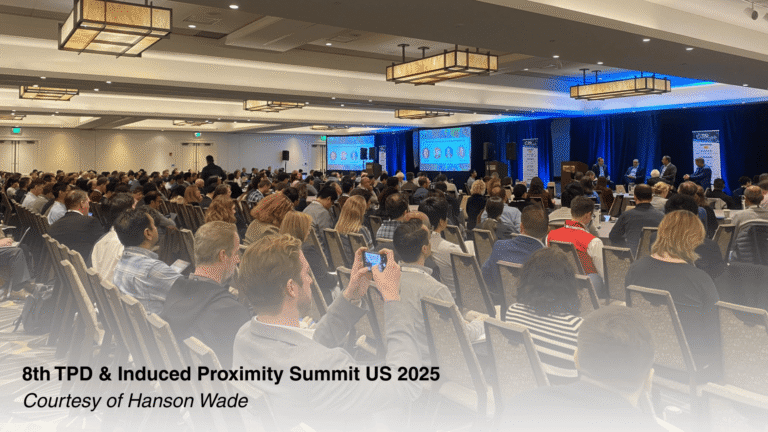
Attendees joined 80+ global and local leaders, Directors, Heads, Scientists, and pioneering service providers to learn, collaborate, and shape the future of bispecific and T‑cell engager R&D in South Korea.
This event was part of the World Targeted Therapeutics Summit South Korea, so attendees will also had access to sessions for the 5th World ADC South Korea Summit and the inaugural World TPD & Induced Proximity Summit South Korea.
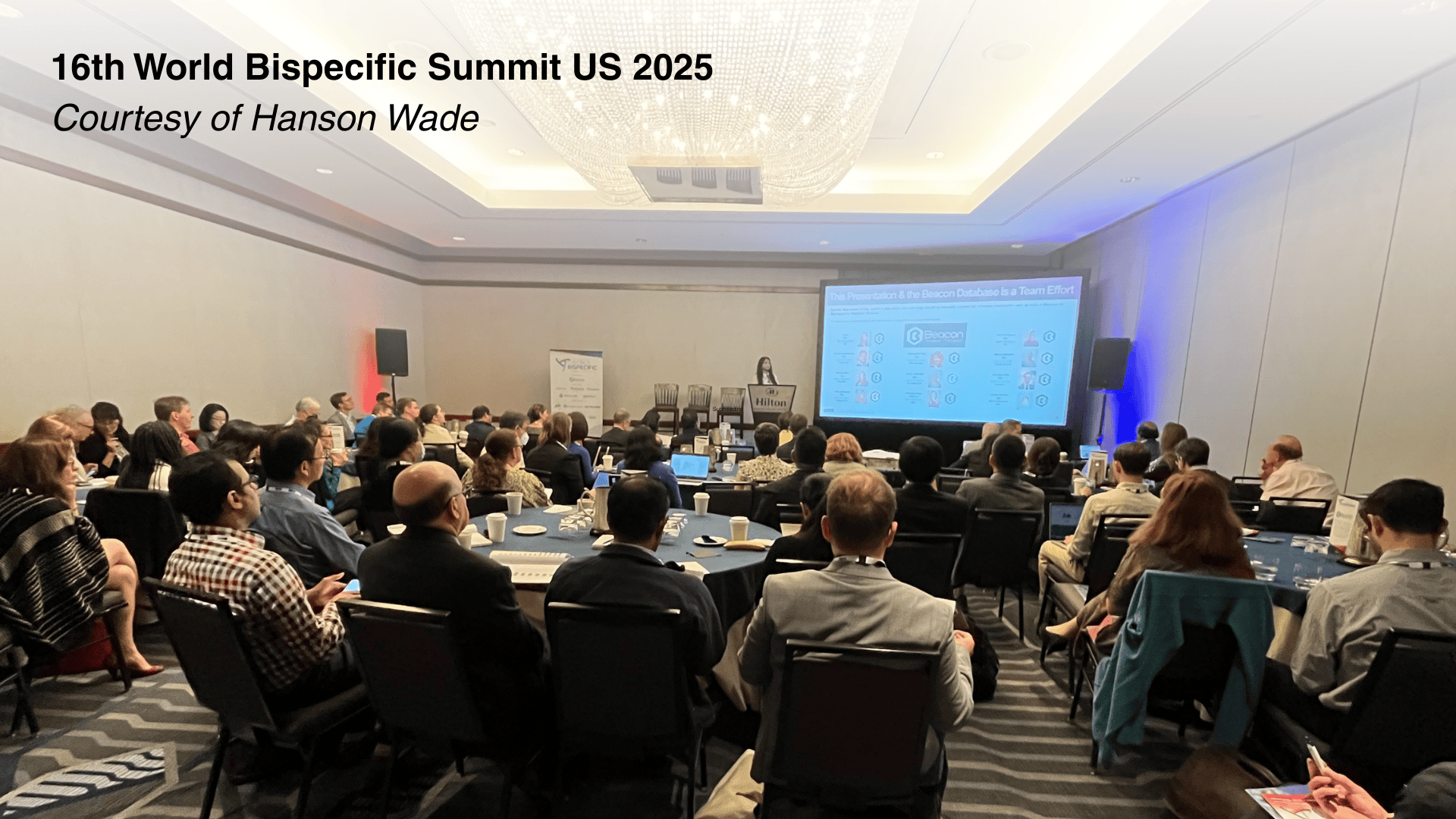
Placing Innovation First: Key Themes on the 2026 Agenda
Co‑stimulation
Discover how AstraZeneca, Hanmi Pharmaceuticals and Celltrion are deploying co‑stimulatory mechanisms to fine‑tune potency, safety and durability, enabling higher dosing and expanding the therapeutic window
Conditional Activation
See how ABL Bio and AP Biosciences are engineering conditional T‑cell activation from TAA‑dependent 4‑1BB agonism to designs that avoid direct CD3 engagement to deliver safer, more selective therapies
Bispecific ADCs
Explore the emerging frontier where ADCs meet Bispecifics, boosting target specificity and reducing on‑tumor/off‑target toxicity. Case studies will unpack bsADC design principles, translational learnings and development strategies
Download the 2026 Official Agenda to Explore:
- Your One-Stop Forum to Develop Best-in-Class Bispecifics & T-Cell Engager-Based Therapeutics
- Insights from 20+ Korean-Based and International Speakers
- Unrivalled Networking Opportunities with Professionals Working on Bispecifics & T-Cell Engagers, ADCs, TPD & Induced Proximity
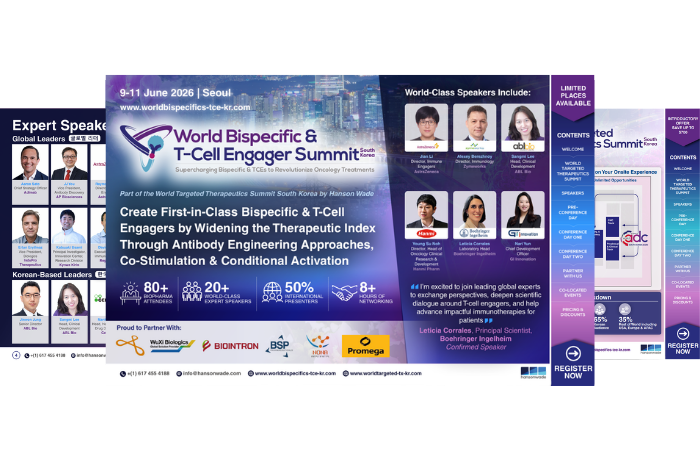
Attending Companies Included



Explore the 2026 Agenda
Hear the latest industry breakthroughs and gain exclusive insights during our packed agenda, interactive roundtables, and panel discussions.
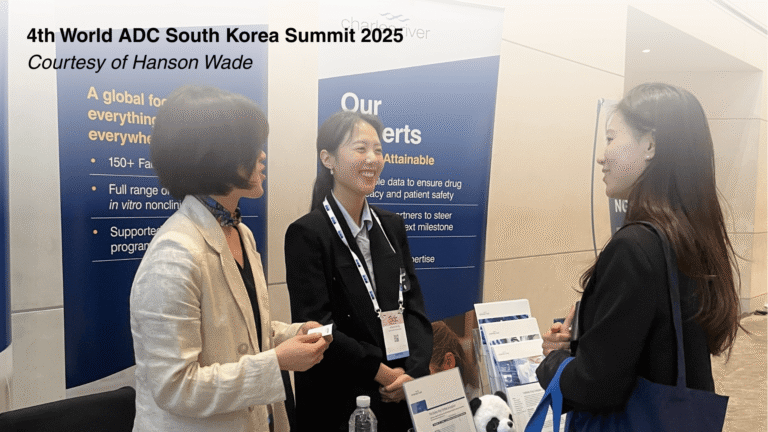
Partner With Us
Position yourself alongside other leading solution providers to ensure your brand is at the heart of biopharma deals.
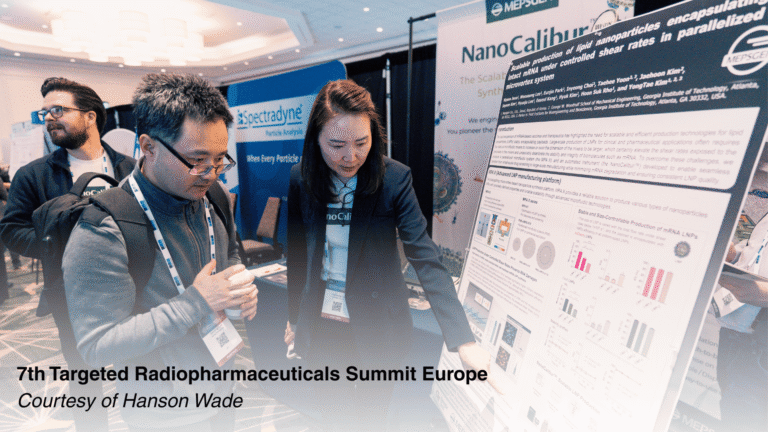
Join Biopharma Experts
Be part of the hottest conversations with like-minded attendees spanning all stages of drug development and make critical connections during our dedicated networking sessions.